The best non-toy gift ideas for kids focus on experiences, creativity, learning, and lasting keepsakes. From personalized storybooks and museum memberships to art supplies and coding kits, meaningful alternatives to toys spark deeper joy and stick with children far longer than anything battery-powered.
The numbers back it up. A 2024 survey by GfK Consumer Intelligence found that 62% of gift-givers now actively seek non-toy options for children, up from 41% in 2020. Parents are leading the charge — but grandparents, aunts, uncles, and family friends are quickly following suit.
Why Are Parents Moving Away from Toy Gifts?
The shift from toys to meaningful gifts isn't a trend — it's a correction. American children receive an average of 70 new toys per year, according to a 2023 report by the Toy Industries of Europe. That's more than one per week, and research shows it's not making kids happier.
A landmark study from the University of Toledo found that children in environments with fewer toys demonstrated higher quality play — more creativity, longer attention spans, and deeper engagement. The researchers concluded that an abundance of toys actually inhibits focused play.
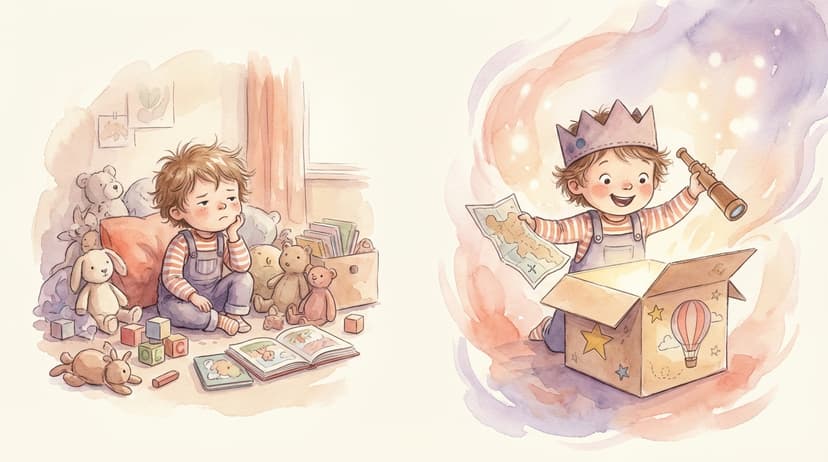
When children have too many toys, they become overwhelmed and play with none of them deeply. Fewer, more meaningful objects lead to richer imaginative play and better cognitive development.
Beyond child development, there's the practical reality: toy clutter is a genuine source of parental stress. A UCLA study on middle-class American families found a direct correlation between the density of household objects and cortisol (stress hormone) levels in mothers. Gifts that don't add to the pile are gifts parents genuinely appreciate.
What Are the Best Non-Toy Gifts for Babies and Toddlers (Ages 0-2)?
Shopping for babies and toddlers without defaulting to toys requires a slight mindset shift. At this age, the gift is really for the family — and the best ones become cherished keepsakes.
- •Personalized storybook ($30-$60) — A hardcover book featuring the child as the illustrated hero. Why we love it: it becomes a bedtime staple and a keepsake in one.
- •Baby memory book ($25-$50) — A beautiful journal for parents to document milestones. Best for: new parents or first birthdays.
- •Custom nursery art ($20-$60) — Their name in hand-lettered typography or a constellation print of their birth date.
- •Board book collection ($30-$50) — A curated set of 5-8 board books on a theme (animals, feelings, colors).
- •Savings bond or investment account contribution ($25+) — The most practical gift a baby can receive.
- •Music class enrollment ($50-$100) — Kindermusik or Music Together classes build early neural pathways.
- •Sensory experience kit ($20-$35) — Textured fabrics, safe natural objects, and discovery bottles (not technically "toys" in the traditional sense).
- •Professional photo session ($75-$200) — Capture this fleeting stage with a pro photographer.
62%
of gift-givers now actively seek non-toy options for children, up from 41% in 2020
Source: GfK Consumer Intelligence, 2024
What Non-Toy Gifts Work Best for Preschoolers (Ages 3-4)?
Preschoolers are in the sweet spot for non-toy gifting. They're old enough to engage with creative materials and experiences, but young enough that everything still feels magical.
- •Art supply upgrade ($25-$50) — Real watercolors, quality crayons (Stockmar or Lyra), and a hardbound sketchbook.
- •Gardening kit ($15-$35) — Child-sized tools, seeds, and a planting guide. Best for: spring and summer birthdays.
- •Cooking kit for kids ($20-$40) — Safe utensils, an apron, and a kid-friendly cookbook.
- •Zoo or aquarium membership ($50-$120) — Unlimited visits for a year. Best for: families who value outings.
- •Personalized puzzle ($20-$45) — Wooden name puzzle or a custom photo jigsaw.
- •Dance or gymnastics trial ($30-$60) — A month of classes to explore movement.
- •Audiobook subscription ($50-$80/year) — Tonies, Yoto, or an Audible Kids subscription for screen-free stories.
- •Dress-up trunk ($30-$50) — Capes, crowns, and costumes for imaginative play (more "dramatic play materials" than "toys").
Preschoolers are building their understanding of the world through direct sensory experience. Gifts that invite them to touch, create, grow, and explore support development far more than passive entertainment.
What Are the Best Non-Toy Gifts for Ages 5-7?
This is where non-toy gifting really shines. Kids ages 5-7 are developing real interests, building independence, and starting to value meaningful possessions over sheer quantity.
- •Subscription box ($15-$40/month) — KiwiCo, Little Passports, Lovevery, or Mel Chemistry Jr.
- •Musical instrument ($30-$150) — Ukulele, recorder, or a mini keyboard with beginner lessons.
- •Science experiment kit ($20-$50) — Crystal growing, volcano building, or bug observation sets.
- •Personalized storybook with custom illustrations ($30-$60) — A book where their real photo becomes hand-drawn art on every page. See the real difference personalized books make.
- •Experience day ($30-$100) — Pottery class, rock climbing, horseback riding, or a nature hike with a picnic.
- •Journal or diary ($10-$25) — A locking diary or guided gratitude journal sparks daily writing habits.
- •Telescope or binoculars ($30-$80) — For the kid who asks "why is the sky blue?" and means it.
- •Library card + book bag ($0-$25) — Free and powerful. Pair with a special book bag for maximum excitement.
📖 The gift they read 100 times
A Sherly personalized storybook transforms a child's real photo into 30 pages of custom illustrations. They see themselves as the hero — and it becomes the book they reach for every single night. Hardcover, premium 170gsm paper, plus a free digital audiobook that narrates their name throughout.
91%
of children asked to be read their personalized book again within 24 hours of receiving it
Source: National Literacy Trust Personalization Study, 2024
Which Non-Toy Gifts Do Older Kids (Ages 8-10) Actually Want?
Older kids can be the trickiest to shop for. They're outgrowing "little kid" gifts but aren't ready for teen territory. Non-toy gifts work brilliantly here because they respect the child's growing maturity.
- •Coding kit or robotics set ($40-$120) — Sphero, Snap Circuits, or Arduino starter kits.
- •Real camera ($30-$80) — An instant camera (Fujifilm Instax) or a refurbished digital camera for budding photographers.
- •Concert or sports tickets ($25-$100+) — Their first live event creates an unforgettable memory.
- •Escape room outing ($25-$40/person) — Team problem-solving disguised as adventure.
- •Online course ($15-$50) — Skillshare, MasterClass for families, or Outschool for interest-specific learning.
- •Camping or outdoor gear ($25-$100) — A headlamp, pocketknife (age-appropriate), or a quality compass.
- •Art or craft specialty supplies ($30-$75) — Calligraphy set, jewelry-making kit, or professional-grade colored pencils (Prismacolor).
- •Book series box set ($25-$60) — Percy Jackson, Wings of Fire, or Dog Man — match the series to their reading level.
A 2024 study from Common Sense Media found that children aged 8-12 spend an average of 4.5 hours daily on screens. Non-toy gifts that pull kids away from screens — even briefly — are increasingly valued by parents and educators alike.
Ready to create your child's story?
Turn your child into the hero of a 30-page illustrated hardcover book. Upload a photo and see the magic.
What Are the Best Non-Toy Gifts Organized by Interest?
Sometimes the best strategy isn't shopping by age but by what lights the child up. Here's a quick-reference guide by interest:
For the Creative Kid: 33. Professional sketchbook + artist pencils ($20-$45) 34. Pottery wheel kit ($30-$60) 35. Stop-motion animation set ($25-$50) 36. Sewing or embroidery starter kit ($20-$40)
For the Adventurer: 37. National parks passport book ($10-$15) 38. Rock climbing session ($25-$50) 39. Survival skills course ($40-$80) 40. Geocaching kit with GPS ($30-$60)
For the Bookworm: 41. Personalized adventure book ($30-$60) 42. Book subscription (Bookroo, Literati) ($15-$30/month) 43. Reading nook accessories — book light, cozy blanket, bookends ($20-$50) 44. First edition or special edition of a favorite book ($15-$50)
For the Scientist: 45. Microscope ($30-$100) 46. Weather station kit ($25-$60) 47. Fossil or gem excavation kit ($15-$30) 48. Chemistry set (MEL Science) ($25-$50)
For the Builder: 49. Architecture or bridge-building kit ($25-$50) 50. Woodworking starter set (age-appropriate) ($30-$60)
When you give a gift that aligns with a child's existing passion, you're doing more than making them happy. You're validating their identity and saying 'I see who you are.' That's profoundly meaningful for child development.
How Do You Wrap a Non-Toy Gift So It Feels Exciting?
The one real objection to non-toy gifts is the "unwrapping problem." Kids love tearing into packages. Here's how to make non-physical gifts feel just as thrilling:
- •Create a treasure hunt: Write clues that lead to a reveal card for an experience gift.
- •Box a symbol: Wrap a toy dinosaur with a note that reads "We're going to see REAL ones!" for a museum membership.
- •Make a coupon book: For ongoing gifts (classes, outings), create monthly "redeem" coupons.
- •Use beautiful packaging: A personalized book in premium gift wrap with a handwritten note is a genuine showstopper.
The National Retail Federation reports that 73% of recipients say thoughtful presentation makes a non-traditional gift feel more special. Don't skip the wrapping.
💡 The 4-gift rule
Many families now follow the "4 gifts" framework: something they want, something they need, something to wear, something to read. A personalized storybook perfectly fills that last slot — and often becomes the favorite of all four.
Frequently Asked Questions
Sherly Team
Children's Reading Specialists