The best keepsake gifts for children are personalized storybooks, time capsules, custom jewelry, handprint art, and memory boxes — items that carry emotional weight and become more meaningful as the child grows. Unlike toys that break or get forgotten, keepsakes are the gifts children find in a box twenty years later and tear up over.
A 2024 report by the Gifting Industry Association found that keepsake gifts are retained for an average of 12 years, compared to just 6 months for the typical toy. That alone should change how we think about gift-giving for kids.
What Makes a Gift a True Keepsake?
Not every "nice" gift qualifies as a keepsake. True keepsakes share three qualities: they're personal, they're durable, and they become more meaningful over time. A generic stuffed animal is none of these. A book where the child sees themselves as the illustrated hero is all three.
The psychology behind keepsakes is rooted in what researchers call self-referential processing. A 2023 study from the University of Sussex found that children engage 67% more deeply with materials that feature their own name, image, or personal details. This heightened engagement creates stronger emotional bonds with the object.
Keepsakes work because they anchor memory. When a child holds an object that's uniquely theirs — that tells their story — it becomes a touchstone for identity. These objects often serve as transitional anchors well into adulthood.
The best keepsakes also serve a dual purpose: they're meaningful now AND later. A personalized storybook is a bedtime favorite at age 4 and a cherished artifact at age 24. That duality is what separates a keepsake from a nice gift.
What Are the Best Personalized Book Keepsakes?
Personalized books consistently rank as the most beloved children's keepsakes. They combine storytelling — the most powerful tool for childhood development — with the emotional impact of seeing yourself represented.
67%
more engagement when children's own name and image appear in reading materials
Source: University of Sussex, 2023
Why personalized books outperform other keepsakes:
- •They get used daily — unlike display keepsakes that sit on a shelf, a personalized book becomes part of the bedtime routine.
- •They grow with the child — the story means something different at age 3 than at age 13, and something entirely new at age 30.
- •They capture a moment — a book based on a child's photo at age 5 preserves that exact stage of their life.
The quality spectrum varies dramatically. Some "personalized" books only insert a child's name into generic text. Others — like Sherly — transform the child's actual photograph into custom illustrations across every page, making them the genuine hero of the story. See the real difference between personalized and generic children's books.
📖 A keepsake that's also a bedtime staple
Sherly books feature 30 pages of custom illustrations created from the child's real photo. Premium 170gsm hardcover with a digital audiobook that narrates their name throughout. It's the keepsake they'll ask you to read every night — and the one they'll find in a memory box decades later.
Which Time Capsule Gifts Do Families Love Most?
Time capsules are among the most emotionally powerful keepsakes because they create a conversation between present and future. A child filling a time capsule at age 5 is giving a gift to their 15-year-old self.
Best time capsule options:
- •Classic sealed capsule ($15-$30) — A metal or thick cardboard container with guided prompt cards. Fill with drawings, a letter, small objects, and photos. Seal with a "do not open until" date.
- •Annual birthday capsule ($20-$40) — Each year, the child adds an item and a letter. Open them all together at age 18.
- •Digital time capsule ($10-$25) — Services like FutureMe let you write emails delivered on a future date. Pair with a physical token for the unwrapping moment.
- •Memory jar ($10-$20) — A beautiful jar where the family adds written moments throughout the year, then reads them together on New Year's Eve or the child's birthday.
A 2023 study in the Journal of Positive Psychology found that nostalgia — even anticipated nostalgia — increases feelings of social connectedness by up to 40%. Time capsules deliberately harness this emotional mechanism.
Time capsules teach children something remarkably sophisticated: that their present self has value, that they are worth remembering, and that their future self will want to look back. It's a profound act of self-worth.
What Custom Jewelry and Wearable Keepsakes Last?
Jewelry and wearable keepsakes carry a special weight because children literally carry them. The key is choosing pieces that are age-appropriate now but sophisticated enough to wear (or display) as adults.
- •Charm bracelet with annual additions ($20-$75 starter, $10-$20/charm) — Start with a quality bracelet and add a meaningful charm each birthday or milestone. Best for: ages 5+.
- •Initial or name necklace ($15-$50) — Simple, elegant, and wearable for years. Best for: ages 6+.
- •Birthstone jewelry ($20-$60) — A ring, pendant, or earrings featuring their birthstone.
- •Locket with photo ($25-$50) — Old-fashioned but timeless. Insert a tiny family photo.
- •Coordinate bracelet ($20-$40) — Engraved with the coordinates of where they were born or a special place.
12 years
average retention time for keepsake gifts, compared to 6 months for typical toys
Source: Gifting Industry Association, 2024
Quality matters enormously with jewelry keepsakes. Sterling silver, 14k gold fill, or high-quality stainless steel will survive decades. Avoid plated metals that tarnish within a year.
What Memory-Preserving Keepsakes Capture Childhood Best?
Some keepsakes exist primarily to capture a moment — a handprint at age 2, a voice at age 5, a letter at age 7. These become the most emotionally devastating (in the best way) gifts years later.
- •Handprint or footprint kit ($15-$30) — Clay impression kits or ink-print frames. Best for: ages 0-3.
- •Voice recording book or bear ($25-$50) — Record a child's voice reading, singing, or saying "I love you." Replay it years later and try not to cry.
- •Annual interview journal ($15-$25) — Ask the same questions each year (favorite food, best friend, what they want to be) and watch the answers evolve. Books like "Q&A a Day for Kids" make this effortless.
- •Photo book of their year ($30-$60) — Curate the best 30-40 photos from each year into a hardcover book.
- •Growth chart ($20-$40) — A wooden or canvas chart that marks heights over the years. Portable (unlike door frame marks) and displayable.
💡 The compound effect of annual keepsakes
The most powerful keepsake strategy is the annual tradition: one personalized book per year, one time capsule entry, one page in an interview journal. After a decade, you haven't just given gifts — you've built an archive of a childhood.
Ready to create your child's story?
Turn your child into the hero of a 30-page illustrated hardcover book. Upload a photo and see the magic.
What Are the Best Keepsake Gifts by Age?
Matching the keepsake to the child's age ensures it resonates now while lasting for later.
| Age | Top Keepsake Picks | Price Range |
|---|---|---|
| 0-1 | Handprint kit, personalized first-year book, birth star map | $15-$60 |
| 2-3 | Personalized storybook, memory box, growth chart | $20-$60 |
| 4-5 | Time capsule, charm bracelet starter, custom art print | $15-$75 |
| 6-8 | Annual interview journal, personalized adventure book, locket | $15-$60 |
| 9-10 | Coordinate bracelet, photo book, voice recording keepsake | $20-$60 |
For babies and toddlers, the keepsake is really a gift for future-them (and for parents right now). Handprint kits, personalized board books, and birth data prints are ideal.
For preschoolers (3-5), personalized storybooks hit the perfect sweet spot. The child loves them immediately as bedtime reads, and the custom illustrations based on their actual photo create a document of exactly who they were at that age. The moment a child sees themselves in a book is unforgettable.
For older kids (6-10), lean toward keepsakes they actively participate in: filling a time capsule, adding charms to a bracelet, answering interview questions. Active involvement deepens the emotional attachment.
How Do You Give a Keepsake Gift That Lands Emotionally?
The presentation of a keepsake matters more than for any other type of gift. These aren't grab-and-go presents — they're meant to create a moment.
Best practices for presenting keepsake gifts:
- •Include a handwritten note explaining why you chose it and what it means.
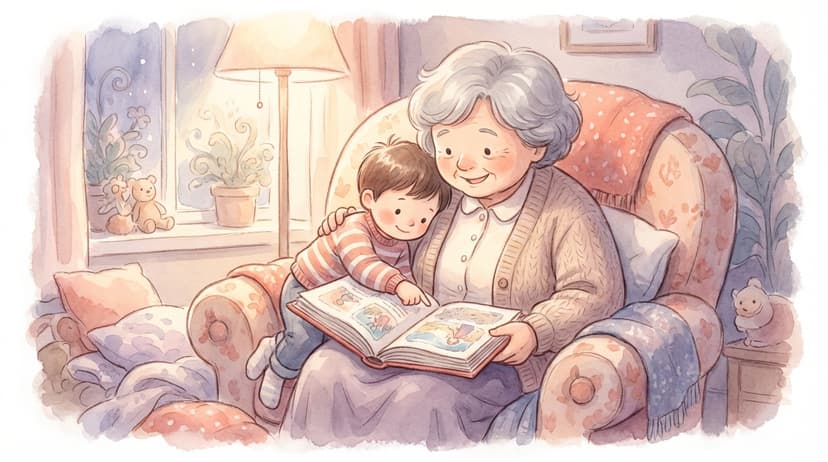
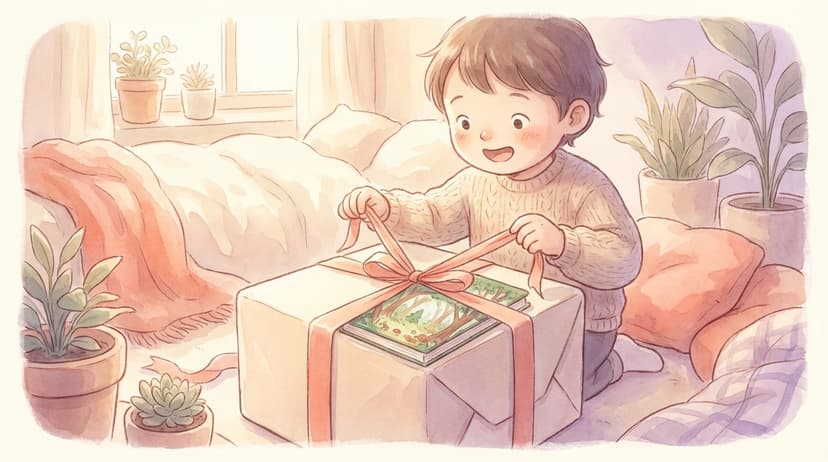
- •Read personalized books aloud together right when they open it. Don't just hand it over — experience it together.
- •Create a ritual around it: "Every birthday, we'll add to this bracelet" turns a one-time gift into a tradition.
- •Photograph the moment: The reaction when a child sees themselves in a personalized book is worth capturing.
The National Endowment for the Arts reports that families who share storytelling rituals — including reading personalized books together — show stronger intergenerational bonds. A keepsake gift isn't just an object. It's an invitation to connect.
The most meaningful gifts I see in my practice aren't expensive or flashy. They're the ones that say 'you matter to me in a specific, personal way.' A book with their face in it, a letter written just for them, a charm chosen to mark a milestone — these create emotional anchors children carry into adulthood.
Frequently Asked Questions
Sherly Team
Children's Reading Specialists